The Importance of Rekeying Your Locks: Top Tips from Experts and Local Services Ready to Help!
Rekeying locks plays an essential role in strengthening the security of your home. This becomes especially critical following significant life events, including a move or the end of a relationship. This method invalidates previously used keys, preventing unwanted individuals from entering your home. Understanding when and how to rekey your locks can greatly impact your safety. Still, not all lock rekeying services provide the same standard of work. Taking the proper steps to find the right provider can make a significant difference.
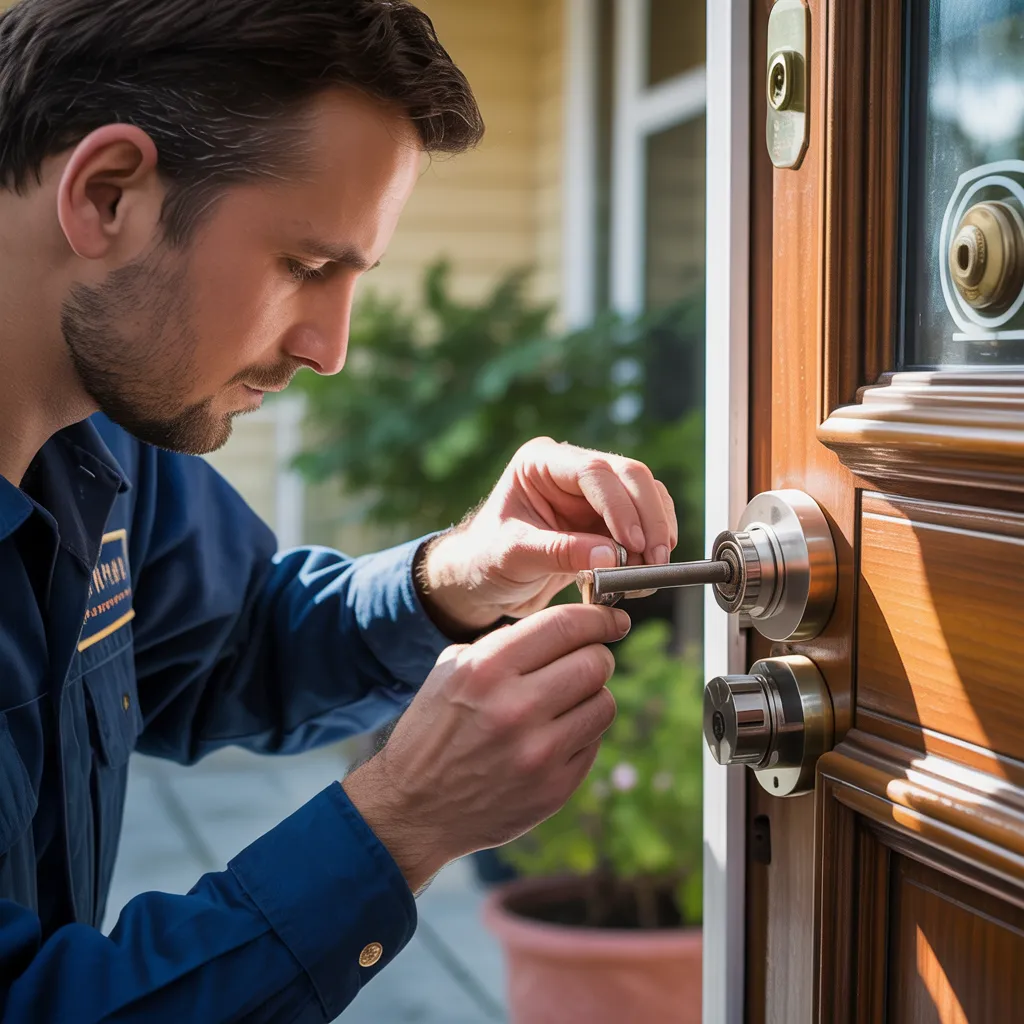
The Importance of Rekeying for Your Home's Safety
Rekeying plays a vital role in improving a home's security, especially when there are concerns about unauthorized access. This method includes modifying the internal components of a lock, making previous keys ineffective while supplying new keys that function perfectly. Property owners frequently encounter circumstances where old keys may still be in use, such as after relocating or experiencing a lost key. By having the locks rekeyed, they guarantee that only trusted individuals retain access to their property.
Moreover, rekeying serves as an affordable option compared to replacing whole lock systems. It not only boosts security but also provides peace of mind. Experienced locksmiths can readily handle this task, usually within a single visit. Routine rekeying can become part of a homeowner's security regimen, adjusting to shifts in living situations or safety requirements. At the end of the day, focusing on rekeying contributes substantially to a home's complete security approach.
When to Think About Rekeying Your Locks
Homeowners ought to think about rekeying their locks in a number of situations in order to preserve security. One common scenario is when they move into a new home; former residents might still possess a working key. Similarly, after a divorce or breakup, rekeying can help guarantee that an ex-partner cannot enter the property. Moreover, when a key goes missing or is taken, it creates a notable security vulnerability, making rekeying a sensible course of action.
For homeowners experiencing repeated lockouts or noticing wear in their lock mechanisms, rekeying is often a highly effective option. Property owners might consider rekeying as part of regular security improvements, especially if they have invested in new security technologies. Additionally, when there is worry about keys being copied without permission, rekeying delivers much-needed reassurance. By responding to these issues without delay, homeowners can strengthen their home security and safeguard their property with confidence.
How Rekeying Works: A Simple Breakdown
Altering the inner mechanisms of a lock can greatly boost security without the need for a full replacement. The rekeying process involves modifying the lock's internal pins and springs to produce a new key that works the lock while leaving the old key ineffective. This method begins with dismantling the lock cylinder, where the current pins are taken out and substituted with new ones of varying lengths. Every pin aligns with a particular height on the new key. After reassembly, the lock will only function with the freshly cut key. The complete procedure usually demands less time than installing a new lock and is frequently more economical. Furthermore, rekeying enables homeowners to keep their existing locks while enhancing security, especially after losing a key or moving into a new home. This approach offers reassurance without the cost and hassle of a full lock replacement.
How to Select the Best Rekeying Service
Choosing the right rekeying service can considerably influence the effectiveness and dependability of the security upgrade. When evaluating a provider, it is vital to assess the professional's credibility. Checking online feedback and gathering recommendations from reputable individuals can assist in finding reliable professionals.
Additionally, validating the experience and credentials of the locksmith is crucial. A certified and find out more insured locksmith commonly delivers a better level of professionalism. It can also be advantageous to find out about the techniques and tools they utilize, as contemporary techniques can boost overall security.
Pricing transparency is equally an essential aspect; a reliable company will deliver honest estimates free of unexpected costs. Finally, assess the availability of the service. A locksmith who offers flexible scheduling can address urgent needs promptly. By considering these standards, homeowners can make a confident selection, guaranteeing their rekeying concerns are resolved thoroughly and reliably.
What to Expect When Paying for Rekeying
When considering the price of having locks rekeyed, people should be familiar with the various elements that affect costs. Such factors can encompass the intricacy of the lock design and the available local services available. Understanding these elements will assist in making an well-considered decision and setting realistic expectations concerning pricing.
A Guide to Rekeying Costs
Comprehending the pricing related to rekeying locks is essential for residents who emphasize convenience and security. In most cases, rekeying services are priced between $20 to $50 per lock, varying with the location and service provider. This price may go higher if more locks need to be rekeyed or if complex locking mechanisms are included. Property owners should also account for additional travel costs if the locksmith is required to commute a long way. While certain homeowners may opt for DIY rekeying kits, working with a professional locksmith guarantees the job is completed accurately and safely. At the end of the day, choosing professional rekeying services not only improves safety but also provides peace of mind, making it a smart choice for any homeowner.
Variables That Impact Pricing
A number of factors impact the pricing of rekeying locks, making it critical for residents to be aware of what to expect. Initially, the kind of lock plays a significant role; advanced security locks often necessitate specific tools and professional skills, leading to higher costs. Furthermore, the amount of locks to be rekeyed directly affects the overall cost; rekeying several locks often leads to discounted rates. Service charges can fluctuate according to the service provider and geographic location, with city locations generally having higher rates. Lastly, if extra services, such as emergency or off-hours assistance, are needed, these can drive up the total price. Homeowners should gather estimates and consider these factors to plan financially for lock rekeying services.
Local Service Options
Nearby service choices for rekeying locks can greatly vary, giving homeowners a variety of selections customized to their individual situations. Several area locksmiths offer mobile services, allowing technicians to come directly to the residence. This accessibility frequently features same-day availability, which can be essential for urgent situations. Pricing may depend on the complexity of the locks and how many keys are required. Homeowners should expect transparent estimates before work begins, typically featuring an itemized list of labor and parts. It is recommended to verify community feedback and credentials to confirm trustworthiness. Moreover, select supply stores present rekeying services as a substitute, which could prove more cost-effective for individuals at ease with self-service tasks.

Top Local Rekeying Services Near You
Securing trustworthy rekeying services can substantially boost home security. Neighborhood locksmiths commonly deliver customized rekeying services that meet a wide range of needs, from domestic residences to commercial properties. It is crucial to take into account customer reviews and ratings to identify trustworthy professionals.
Numerous cities feature locksmiths available 24/7, guaranteeing quick access to lock rekeying solutions in urgent situations. Several trusted providers provide mobile services, permitting technicians to reach the client's premises quickly. Furthermore, local hardware stores may provide rekeying kits for DIY enthusiasts, though hiring a trained technician is suggested for the highest quality finish.
Moreover, community suggestions can help in identifying overlooked specialists that may not have a strong online presence. By assessing available choices and seeking out seasoned locksmith specialists, property owners can ensure their rekeying demands are handled properly and thoroughly. Following these measures can bring about enhanced reassurance concerning home security.
Questions We Often Receive
Is It Possible to Rekey My Locks on My Own, or Should I Call a Professional?
Rekeying locks can be done by individuals familiar with the process, but hiring a professional guarantees proper handling and security. Weighing personal skill against potential risks often leads to better outcomes with expert assistance.
How Much Time Does the Rekeying Process Usually Take?
The process of rekeying usually takes approximately 15 to 30 minutes per lock, based on the complexity and the technician's experience. A professional can guarantee efficiency and accuracy, minimizing potential issues during the procedure.
Will Having My Locks Rekeyed Void Any Existing Warranties?
Rekeying your locks usually does not invalidate warranties, as most manufacturers allow this process. However, it's advisable to carefully examine the warranty terms or consult with the manufacturer to guarantee compliance and avoid unintentional issues.
What Tools Do Professionals Use for Rekeying Locks?
Skilled technicians typically employ tools including a rekey kit, precision screwdrivers, needle-nose pliers, and a plug follower. These instruments assist with taking apart the lock, installing new pins, and verifying proper performance after the rekeying process is complete.
How Often Should I Consider Rekeying My Locks?
Professionals advise changing lock combinations on a regular basis or immediately after a key going missing, relocating to a new property, or experiencing a security breach. Consistent rekeying practices strengthens protection and confirms only authorized individuals can access the property.